WHAT DOES YOUR SOUL LOOK LIKE? — NAVIGATING TASTE, CREATIVITY and AI
WORDS BY Chris Land, NOT Co-Founder
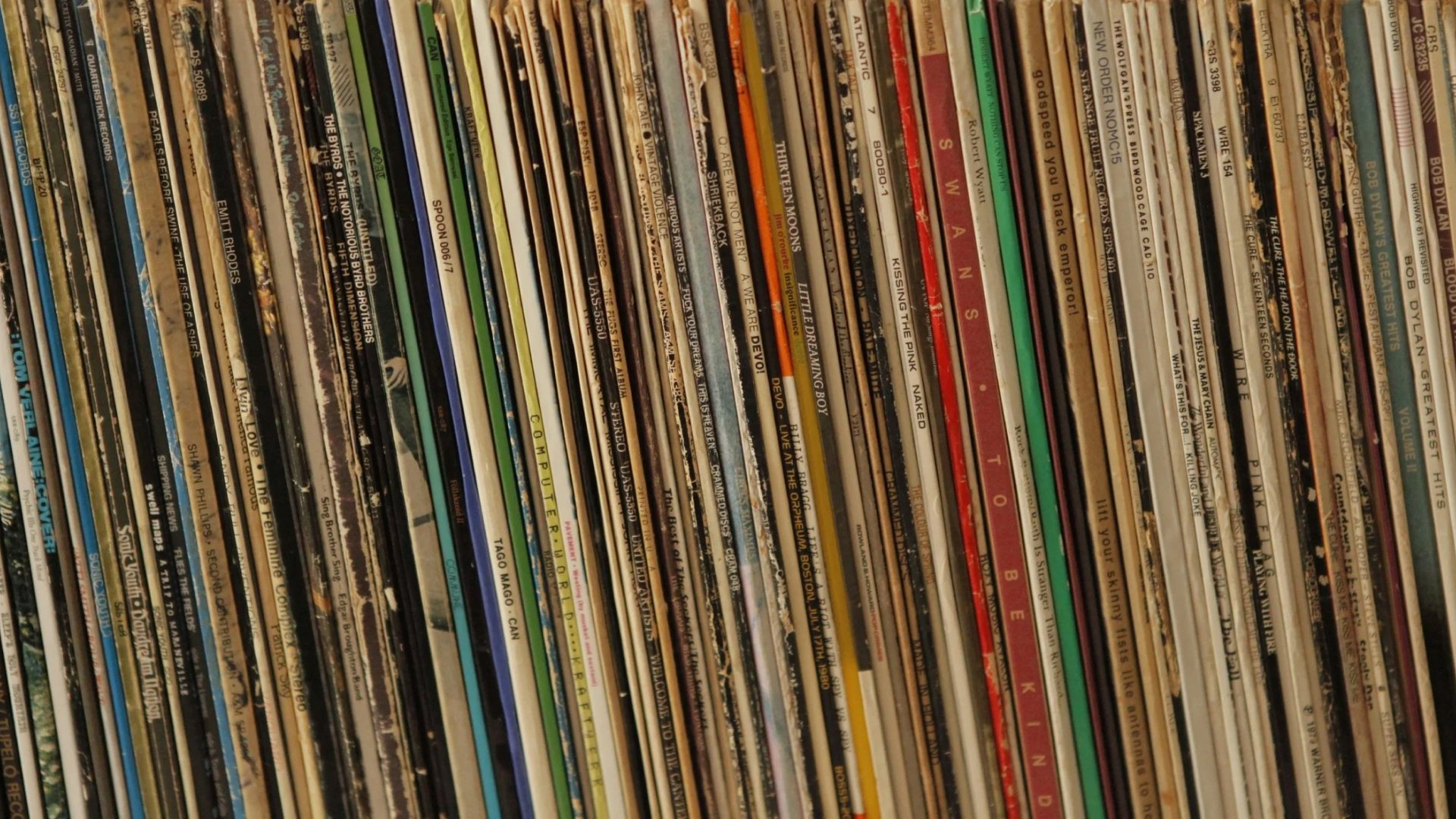
DJ Shadow famously found the samples that shaped his debut album amongst the deadstock vinyl in the basement of his local record shop.
Digging through crates piled floor to ceiling he physically immersed himself in his source material. Recording this forgotten music to cassette so that he could listen in the car, he spent hours driving, teaching himself to connect snippets of psychedelic rock with passages of classical, funk drum breaks with lines of movie dialogue, resulting in Endtroducing, a debut album which was wholly original, and completely personal, despite its reliance on pre-existing material. With its tendency to ‘flatten’, or average-out creative ideas, defaulting to the acceptable, expected middle, generative AI could never have made that record. For this same reason, AI would never have designed the ‘Brat’ cover or painted the first piece of abstract expressionism.
Much has been written about the impact of generative AI on creativity. In my corner of the internet, populated by brand designers, art directors, photographers and typographers, stances are being taken and lines have already been drawn, with some creatives and studios explicitly stating they will refuse to work with AI, or at least refuse to work with it in the creative execution of a brief. As use of AI becomes increasingly inescapable, either proactively through the alluring ‘summarise this’ icon winking in your email client or passively, through the auto-generated summaries in your Google results, a refusal to engage with the technology will not simply make it go away.
The tools we use daily, from Slack to Shopify to Photoshop, all increasingly incorporate AI features. AI refuseniks – these hardline studios, artists and creatives – will become forced to draw a line between creativity and bureaucracy. Is your AI note-taker an active creative tool or simply an administrative assistant, minus salary and benefits? As creatives, the need to navigate this new landscape sensitively is in sharp focus. Chances are nobody cares if a spreadsheet has been made by AI but roll out a campaign with AI generated assets and you roll the dice with audience sentiment.
The creative argument against generative AI can be hard to pin-down and goes right to the core of what it is to be human. Do we really want to live in a world soundtracked by machine-generated music, populated by prompted faces staring from magazine pages, billboards and screens, having our stories told in the eerie and predictable cadence of an LLM? When we’ve had airbrushed ad campaigns, computer generated video game worlds and synthesised music for decades, rejecting AI as a tool seems at best disingenuous, at worst hypocritical. But a drum machine won’t program itself. A digital camera won’t click its own shutter. To say that in these cases the tool is doing the work for you is to negate the craft, patience, skill and judgement that goes into producing a great beat or taking a great photograph.. While we collectively move towards a place where human input isn’t a necessary stage in the creative process – the latest generation of ChatGPT was built by the previous generation of ChatGPT – we are getting further and further removed from the decision making at the heart of creative work. We need to recognise what else we might be about to lose. The key is to identify the qualities of creativity that a machine cannot replicate.
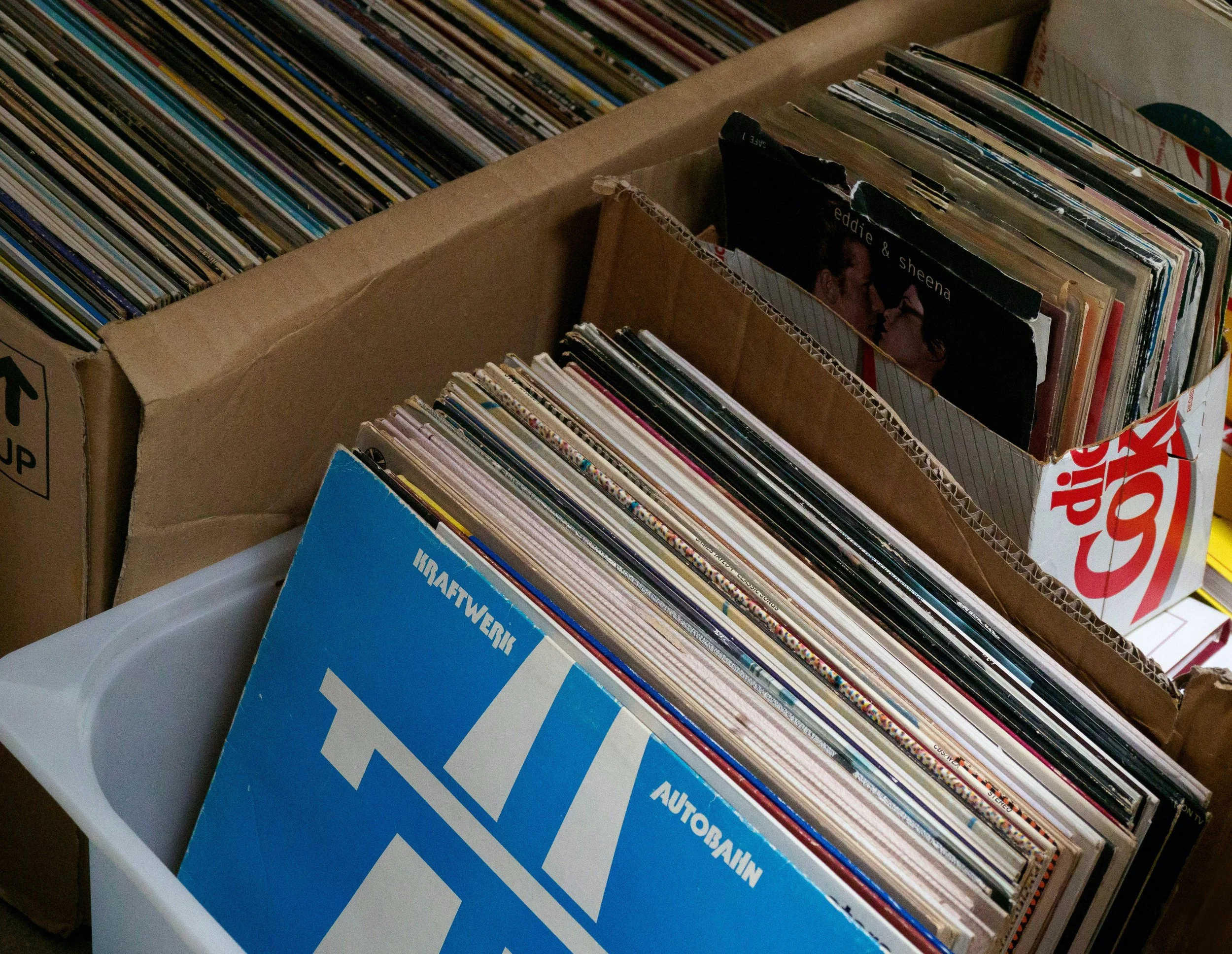
To continue to judge the value of AI by the quality of its output is to miss the value of the processes it replaces.
This position is increasingly looking like a trap. To continue to judge the value of AI by the quality of its output is to miss the value of the processes it replaces. Quality will ultimately improve. The nightmarish and garbled images fabricated by early iterations of Midjourney are already a thing of the past, and the trend cycle is moving so fast that a certain amount of nostalgia for the aesthetics of primitive AI is already emerging. Today AI generated and non-AI generated content can be virtually indistinguishable. A convincing lifestyle or fashion campaign including stills, moving image and consistently rendered messaging and graphics can be assembled by anyone with a laptop and some patience.
Then there’s much about “taste” being the quality which makes the difference between what gen-AI can achieve creatively and what a human might. The thread of these arguments is that taste is an inherently and unassailably human characteristic which could never be convincingly replicated by a machine, and for a while this seemed like it held water too. But the truth is that machines are already able to do this. Taste is aggregated by the algorithms of social media apps, media channels and streaming platforms, and served back to users in a way that makes you feel like you’re at the bleeding edge of culture. But you’re not the tip of the spear, you’re the crest of the wave; millions of people crashing on the same ideas simultaneously because AI has figured out what works, what engages, what entertains.
But there is a difference between this ultra-processed taste-as-output, and taste as skill: a combination of experience, good judgement and cultural awareness. This kind of taste is something you develop – like getting the taste for olives, say, or folk music – and this development is a process that for creatives is a life’s work. Regardless of the field, exposure to as much diverse source material as possible is the only way to hone it.
So, the question of judging AI by quality becomes a red herring. As a tool of execution, it has already come of age. Marketing copy, imagery, moving image, design and campaign material can already be generated to more-than-satisfactory standards. But it is a mistake to equate a high level of executional competency with conceptual rigour, with depth. What AI doesn’t replace is process; the legwork, the human-hours, the deep-dives into archive material, online or offline (preferably off), the museum visit, the daydreams, the left field music recommendation from a friend, the possibility of sitting with an idea for days, months, or years. The messy, disjointed ripples of human experience. This is where depth comes from, and where true creativity happens. When properly nurtured, this process gives us the ability to connect disparate concepts and resolve them into a new whole. If we can define a human trait that AI cannot imitate, it might be this.
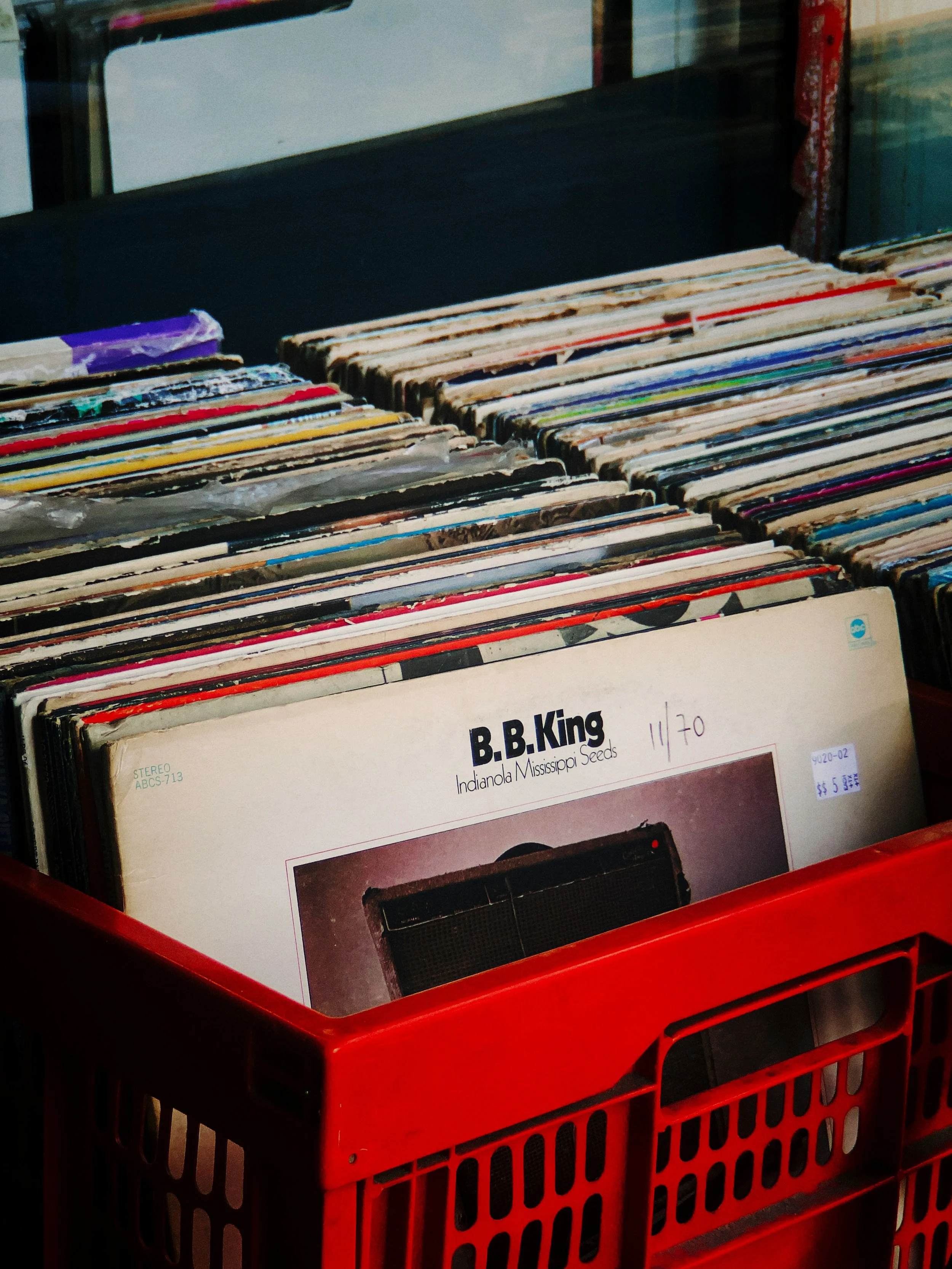
Having a preference is easy. Understanding your own subjectivity is a skill.
So yes, I might use an AI notetaker to make sure I miss no detail of a discovery call with a client or an internal brainstorming session, but it is a safety net, not a replacement for my scribbled thoughts, for my process. Creative work requires exercise. And even a process as mundane as taking meeting notes helps build muscle. You can commit to the training, but once you stop, you might just find you can’t perform as well as you did before.
And to be clear, I am not anti-AI – nor am I an evangelist. The shift we’ve seen in the last 4 years is the largest disruption of its kind in my professional and creative career. Not since the birth of the internet has our relationship to communication and knowledge changed so dramatically, so fast. What I do believe is that technological changes on this scale deserve to be thoughtfully critiqued by those responsible for its impact on culture. Like any new technology, ignoring it is not a response. Engaging with openness and curiosity is the human way to meet the unknown and perhaps spark something genuinely new.
Clearly, we can’t put the genie of gen-AI back in the bottle, but we can consciously spend as much time outside the algorithm, outside of the AI tools as possible, because ultimately, when we surrender the process, not just the output, to machines, that’s when the work dies.
At art school a tutor once told me that it's as important to figure out what you don’t like, and understand why, as it is to know what you do like. Having a preference is easy but understanding and being able to interrogate your own subjectivity, having the ability to make unexpected or novel creative choices, and to justify your decisions are all essential skills for creatives. In some cases, AI might be able to handle the execution – the what – but the why has to be human.